
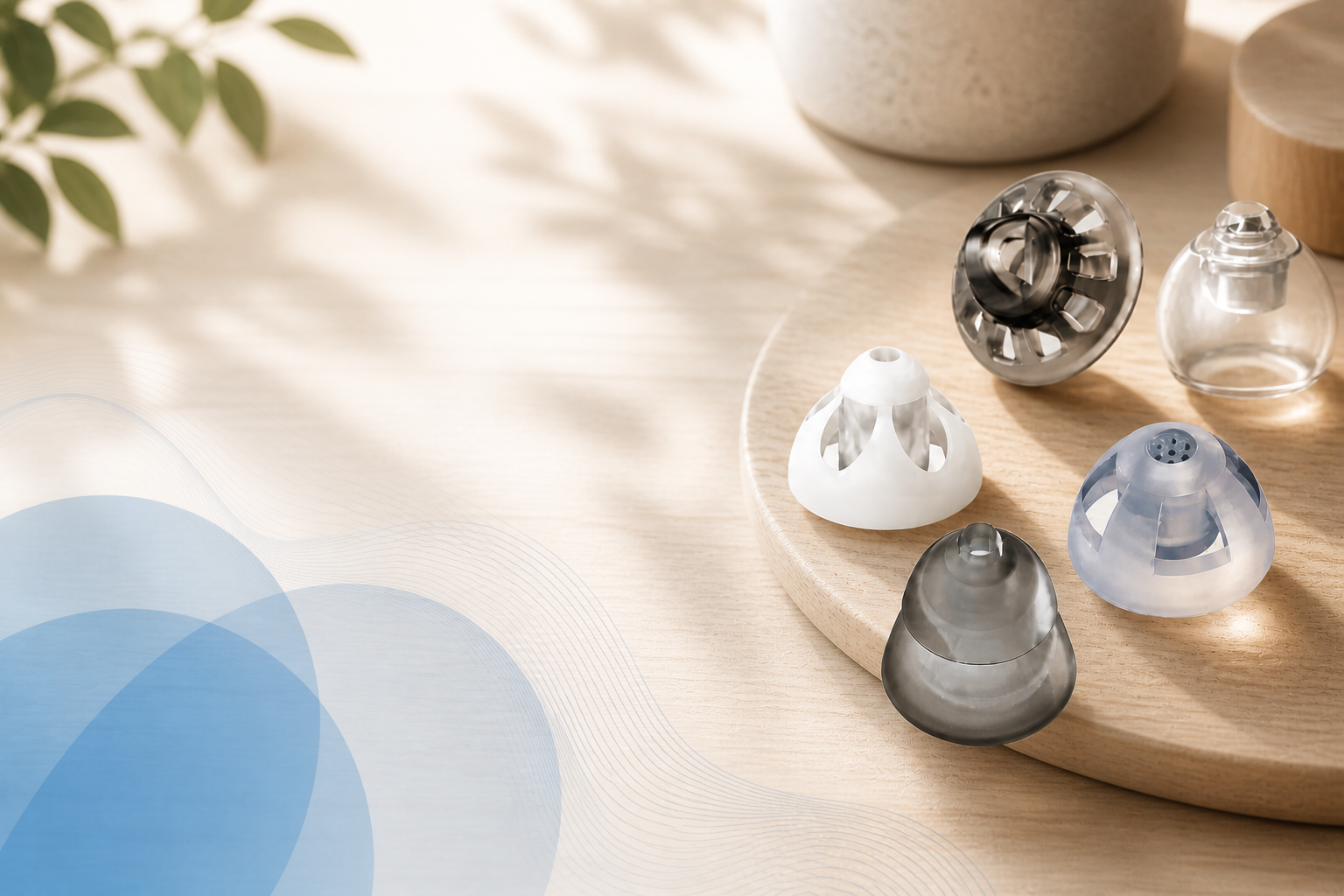
Hearing aid dome size guide

Choosing the right hearing aid dome size is important for comfort, sound quality and daily stability. Domes are the small silicone tips that sit at the end of the receiver or thin tube and rest inside the ear canal. They help guide sound into the ear, keep the hearing aid in place and affect how open, closed or powerful the sound feels.

This hearing aid dome size guide explains the most common dome sizes in millimetres, the difference between open, tulip, closed, vented and power domes, and how to understand which type may suit your hearing aid. If you need new domes, you can browse our full selection of hearing aid domes and compare compatible options for different brands and models.

Browse hearing aid domes
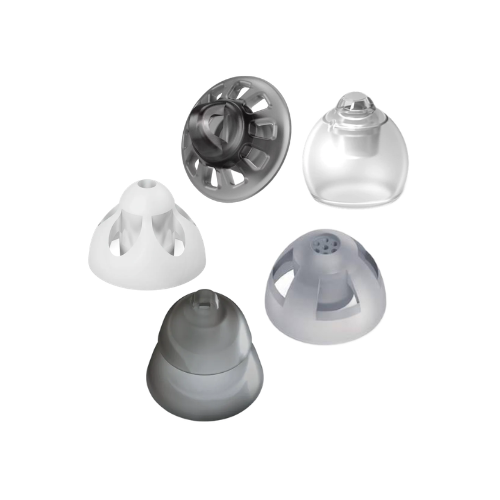
Hearing aid dome size guide

Choosing the right hearing aid dome size is important for comfort, sound quality and daily stability. Domes are the small silicone tips that sit at the end of the receiver or thin tube and rest inside the ear canal. They help guide sound into the ear, keep the hearing aid in place and affect how open, closed or powerful the sound feels.

This hearing aid dome size guide explains the most common dome sizes in millimetres, the difference between open, tulip, closed, vented and power domes, and how to understand which type may suit your hearing aid. If you need new domes, you can browse our full selection of hearing aid domes and compare compatible options for different brands and models.

Browse hearing aid domes
Dome size guide

Understand sizes in mm and find the right fit for your ear canal

Find my size

Dome types explained

Learn the difference between open, closed, vented, tulip and power domes

Improve sound

Choosing the right dome

See how comfort, sound and compatibility affect your choice

Fix comfort


Hearing aid dome sizes in mm

Most hearing aid domes are sold in small, medium and large sizes, while some manufacturers also offer extra small and extra large options. The exact size can vary between brands, but many domes follow a general size range measured by the outer diameter of the dome. A dome should sit securely in the ear canal without causing pressure, pain or irritation.

Dome size guide

Extra small
4–6 mm
Good for: Very narrow ear canals or if small domes feel too large
Try this if: You feel pressure or discomfort with small domes

Small
6–8 mm
Good for: Narrow ear canals or lighter fit
Try this if: Medium domes feel too tight

Medium
8–10 mm
Good for: Average adult ear canals
Tip: Most common starting size

Large
10–12 mm
Good for: Wider ear canals or better seal
Try this if: Domes slip out or feedback occurs

Extra large
12–14 mm
Good for: Very wide ear canals or strong seal
Try this if: Large domes still feel loose

Some manufacturers also offer extra small and extra large dome sizes. These sizes are useful because ear canals vary significantly from person to person, and a standard small, medium or large dome does not always give the best fit. Extra small domes may be suitable for very narrow ear canals, while extra large domes may help users who need a wider dome for better stability or sealing.

The exact millimetre measurement can vary between brands, so extra small and extra large should be understood as manufacturer-specific size categories rather than universal measurements. Always compare the listed size, dome type and hearing aid compatibility before ordering replacement domes.


Understanding dome types

Dome types affect how sound feels – from open and natural to more sealed and powerful.

Open hearing aid domes

Open domes have small holes or openings that allow more natural sound to enter the ear canal. They are often used when the hearing aid user still hears lower frequencies relatively well and mainly needs support for higher-frequency sounds. Open domes create a lighter, more airy feeling and can reduce the blocked sensation that some users experience with more sealed dome types.

Open domes are commonly chosen for mild to moderate hearing loss, especially when natural sound and comfort are priorities. Because they let more sound pass in and out of the ear canal, they may not be the best option if stronger amplification is needed or if feedback becomes a problem.

Closed hearing aid domes

Closed domes seal more of the ear canal than open domes. They are designed to keep more amplified sound inside the ear, which can improve loudness and clarity for users who need more support. Closed domes may be useful for moderate hearing loss or for users who experience too much sound leakage with open domes.

A closed dome can create a fuller sound, but it may also feel more blocked than an open dome. Some users notice their own voice more strongly with closed domes, especially if they are not used to a more sealed fit. The balance between comfort, feedback control and sound strength is the main reason dome type should match both the hearing aid settings and the ear canal.

Tulip hearing aid domes

Tulip domes have overlapping silicone flaps that create a flexible seal in the ear canal. They can adapt well to different ear canal shapes and may be easier to insert for some users than more rigid dome designs. Tulip domes often provide more closure than open domes while still feeling softer and less sealed than some power domes.

A tulip dome can be a practical option when the user needs a better seal but still wants a relatively comfortable and flexible fit. It may help reduce feedback and improve stability, depending on the hearing aid and ear shape. As with all dome types, compatibility must be checked before changing from one dome style to another.

Vented hearing aid domes

Vented domes sit between open and closed domes. They provide more closure than an open dome but still allow some airflow and natural sound through the vent openings. This can make them useful when an open dome feels too weak, but a fully closed or power dome feels too blocked.

Vented domes can help balance amplification and comfort. They may reduce feedback compared with very open fittings while still helping to avoid an overly plugged feeling. The exact result depends on the size of the vent, the ear canal, the hearing aid settings and the level of hearing loss.

Power hearing aid domes

Power domes are designed for stronger amplification. They usually create the most secure seal and are often used when the hearing aid needs to deliver more sound into the ear canal. Because they reduce sound leakage, power domes can help control feedback and support users with greater hearing needs.

Power domes usually feel more closed than open, tulip or vented domes. They can improve amplification, but they may also create a stronger blocked feeling if the hearing aid settings or dome size are not right. If you use power domes, it is especially important to choose the correct size and make sure the dome is attached securely to the receiver.

Open vs closed vs power domes

The main difference between dome types is how much they seal the ear canal. Open domes allow the most natural sound into the ear. Vented and tulip domes offer a middle point with more control and more stability. Closed and power domes provide a stronger seal and are often used when more amplification or feedback control is needed.

Simple dome type overview

Open dome
Sound feel: Light and natural
Often used for: Mild to moderate hearing loss
Main benefit: More airflow and less blocked feeling

Vented dome
Sound feel: Balanced
Often used for: Users needing more control than open domes
Main benefit: Combination of airflow and sound focus

Tulip dome
Sound feel: Flexible and moderately sealed
Often used for: Different ear canal shapes
Main benefit: Adaptive fit and better seal than open domes

Closed dome
Sound feel: Fuller and more focused
Often used for: Moderate hearing loss
Main benefit: More amplified sound stays in the ear

Power dome
Sound feel: Strong and sealed
Often used for: Greater amplification needs
Main benefit: Maximum seal and feedback control

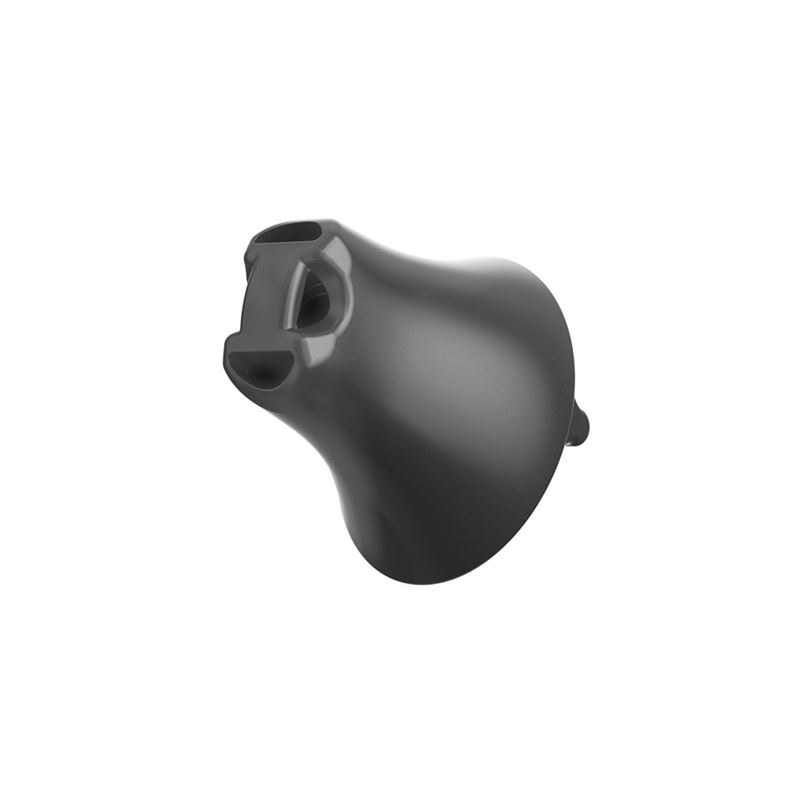
Hearing aid sleeves

Some hearing aids use sleeves instead of domes – offering a softer fit and a different way of directing sound into the ear.

Hearing aid sleeves

Some hearing aids use sleeves instead of traditional domes. They sit in the ear canal and help improve comfort, fit and sound direction.

Use sleeves when:

  • Your hearing aid uses a sleeve-based system
  • You want a softer or more flexible fit
  • You need a more secure seal

Sleeve types:

  • Open: More natural sound and airflow
  • Vented: Balanced fit with some sound control
  • Closed / Power: Stronger seal for more amplification

Compatibility matters
Sleeves are not universal. Always match the sleeve to your hearing aid brand, receiver and fitting system.


Choosing the right dome

The right dome depends on comfort, sound and compatibility – small changes can make a big difference.

How to choose the right dome for your hearing aid

Start with the dome type and size you already use, especially if your hearing aids currently feel comfortable and sound clear. If you are replacing worn domes, the safest choice is usually to reorder the same brand, dome type and size.

Choose by comfort

Comfort should be the first sign. A dome should not hurt, press hard against the ear canal or feel like it is being forced into place. If it causes irritation, the size may be wrong, the dome may be worn, or the material may no longer be flexible enough.

Choose by sound

Sound is the second sign. If sound feels weak, thin or unstable, the dome may not seal well enough. If sound feels too blocked or your own voice sounds too loud, the dome may be too closed or too large. Small changes in dome size or dome style can noticeably affect the sound experience.

Choose by compatibility

Compatibility is essential. Hearing aid domes are not one-size-fits-all. Many brands use their own dome systems, receiver connections and tube fittings. Before ordering, check your hearing aid brand, model and receiver or tube type. You can also browse all hearing aid products if you need to compare different accessories for your device.

If your current dome slips, whistles, feels blocked or no longer gives clear sound, it may be time to check whether another size or dome type is more suitable.

Maintenance and replacement

Regular replacement keeps your hearing aids performing at their best and helps avoid common sound issues.

When to replace hearing aid domes

Domes should be replaced regularly because silicone can become loose, stiff, discoloured or less secure over time. Many users replace domes every 1-2 months, or sooner if they notice reduced comfort, poorer sound, visible dirt, wax blockage or a loose fit. Daily use, earwax production and cleaning habits all affect how often replacement is needed.

Replacing domes in time helps maintain stable sound and hygiene. A worn dome can affect both comfort and performance, and a loose dome may not sit safely on the receiver. For complete hearing aid care, it is also useful to keep suitable cleaning tools and care products available.
View hearing aid domes View maintenance products View maintenance

Replace regularly

Hearing aid domes wear down over time and can affect both comfort and sound performance. Replacing them regularly helps maintain a secure fit, clear sound and proper hygiene. Most users replace domes every 1–2 months depending on usage and earwax buildup.

Domes and wax guards

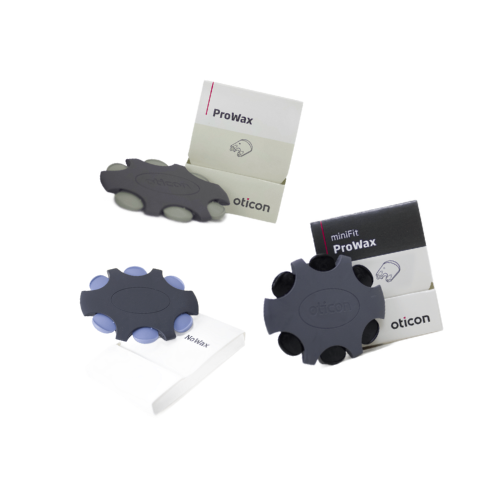
Domes and wax guards work together, and it’s always good to have both of them in stock. The wax guard sits inside or near the receiver opening and helps protect the hearing aid from earwax. If your hearing aid sounds weak or muffled, the issue may be the dome, the wax guard or both.

When replacing domes, it is often a good idea to check the wax guard at the same time. If the wax guard is blocked, a new dome alone may not restore clear sound.

View wax guards

Frequently asked questions

Quick answers to the most common questions about sizes, fit and sound.

The right size depends on your ear canal, hearing aid model, dome type and comfort. As a general guide, small domes are often around 6–8 mm, medium domes around 8–10 mm and large domes around 10–12 mm. The dome should feel secure without pressure.

No. Hearing aid domes are not universal. Different manufacturers use different receivers, thin tubes and dome connection systems. Always check that the dome matches your hearing aid brand and model.

A dome that is too small may slip out, feel unstable or cause feedback. It may also reduce sound quality because amplified sound can leak from the ear canal.

A dome that is too large may feel tight, create pressure or cause irritation. It can also make your own voice sound blocked or unnatural.

Open domes usually give the most natural and airy sound because they allow more environmental sound to enter the ear canal. They are often used when the user still hears low-frequency sounds relatively well.

Power domes usually provide the strongest seal and are often used when more amplification is needed. They help keep more sound inside the ear canal and can reduce feedback.

Many users replace hearing aid domes every 1–2 months. Replace them sooner if they become stiff, loose, discoloured, blocked with wax, uncomfortable or if the sound changes.

Choose hearing aid domes with confidence

Use your current dome as a starting point, compare sizes and types, and make sure the connection fits your hearing aid. If you’re unsure, we’re here to help.